 Send me a PDF copy
Tackle the world's biggest challenges
‘Australia's in desperate need of engineers who have the capability to move ahead in a world that’s dealing with huge challenges like climate change, overpopulation and resource depletion. Study a Master of Engineering Technology to put yourself ahead of the game.’
Adjunct Professor, Faculty of Engineering
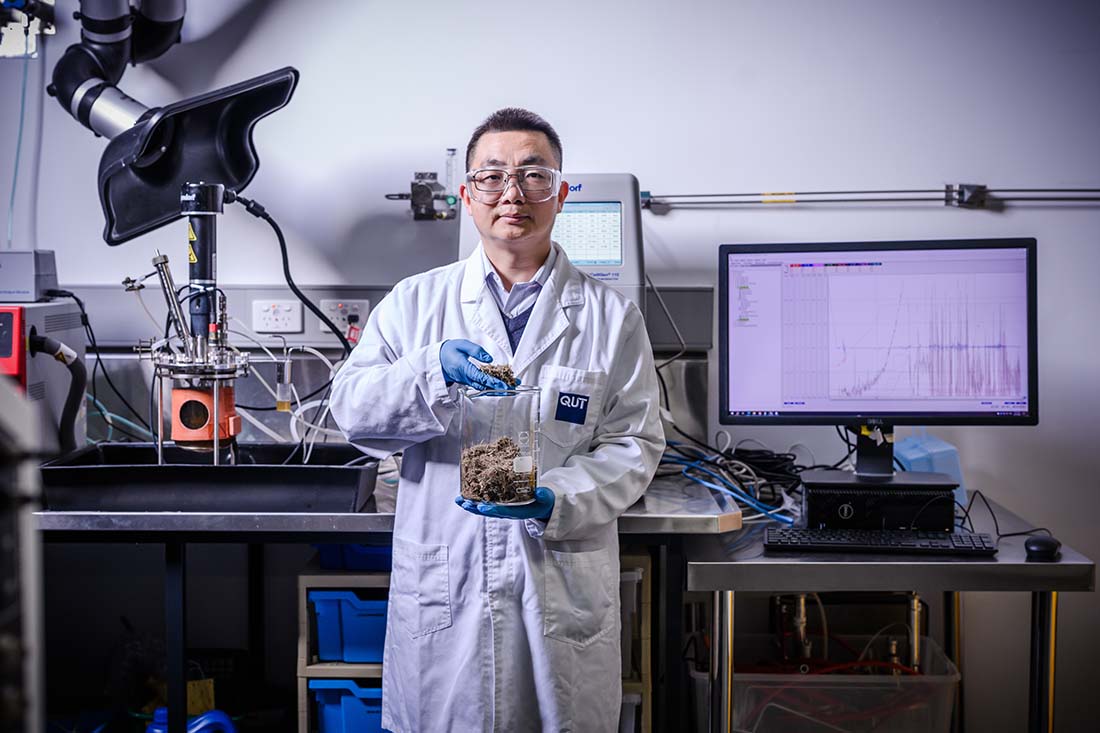
Lead sustainable change in industry
'Bioprocess technologies are emerging as critical in providing solutions to reducing carbon emissions, improving access to nutritious food and enhancing the circular economy. By harnessing the power of bioprocess engineering, we pave the way towards a sustainable future where manufacturing meets the demands of the present without compromising the needs of the future.'
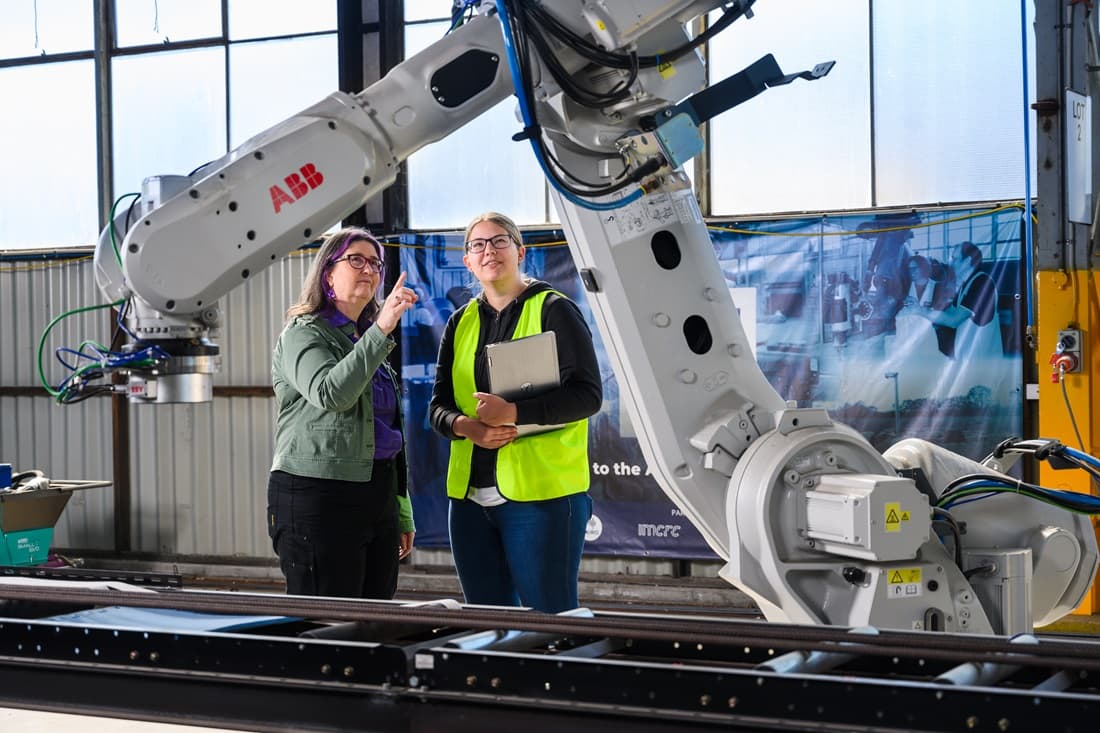
Digital and robotic manufacturing
‘Manufacturers are putting significant time and money behind their digital transformations. Industries are in urgent need of engineers who can fully leverage new tools and technology at any scale, with minimal environmental impact. Now is the time to lead the exciting manufacturing advances underway in data and analytics, AI, machine learning and more.’
Tackle the world's biggest challenges
‘Australia's in desperate need of engineers who have the capability to move ahead in a world that’s dealing with huge challenges like climate change, overpopulation and resource depletion. Study a Master of Engineering Technology to put yourself ahead of the game.’
Adjunct Professor, Faculty of Engineering
Lead sustainable change in industry
'Bioprocess technologies are emerging as critical in providing solutions to reducing carbon emissions, improving access to nutritious food and enhancing the circular economy. By harnessing the power of bioprocess engineering, we pave the way towards a sustainable future where manufacturing meets the demands of the present without compromising the needs of the future.'
Digital and robotic manufacturing
‘Manufacturers are putting significant time and money behind their digital transformations. Industries are in urgent need of engineers who can fully leverage new tools and technology at any scale, with minimal environmental impact. Now is the time to lead the exciting manufacturing advances underway in data and analytics, AI, machine learning and more.’

Highlights
- Transform your engineering skills in this one-year master degree, six months less than a traditional master degree.
- Graduate with advanced skills in engineering technology, specialising in: smart transport and mobility, water engineering, digital and robotic manufacturing, bioprocess engineering, robotics or renewable power.
- Consult on an industry project working directly with employers such as BMW, Boeing, Brisbane City Council, Transport and Main Roads, and SEQ Water.
- Complete a supervised capstone research project to address authentic, industry-informed, complex problems that confront engineers.
- Engineers specialised in robotics, AI, data and sustainability top the list of careers predicted to have the highest job growth by 2027 (World Economic Forum Future of Jobs Report, 2023).
Highlights
- Transform your engineering skills in this one-year master degree, six months less than a traditional master degree.
- Graduate with advanced skills in engineering technology, specialising in: smart transport and mobility, water engineering, digital and robotic manufacturing, bioprocess engineering, robotics or renewable power.
- Consult on an industry project working directly with employers such as BMW, Boeing, Brisbane City Council, Transport and Main Roads, and SEQ Water.
- Complete a supervised capstone research project to address authentic, industry-informed, complex problems that confront engineers.
Why choose this course?
QUT's Master of Engineering Technology provides you with the ability to lead and contribute to complex engineering technology projects in your chosen field and respond rapidly and effectively to current and emerging local and global challenges, such as impact of climate change, pollution, rapid urbanisation and rapid technological change.
Choose from one of our specialised majors:
Artificial Intelligence in Medical Technology
Develop advanced knowledge in the use and application of machine learning and big data to solve complex challenges in healthcare. Learn how to predict and optimise system performance, leading to better patient outcomes. Gain hands-on experience in industry projects preparing you with the skills for the rapidly evolving healthcare technology sector.
Bioprocess Engineering
Learn to lead bio-based processes and products at any scale as you gain hands-on experience through projects with biotechnology companies spanning the pharmaceutical, industrial biotech and food tech industries. Complete your research projects in facilities such as our QUT Pioneer BioPilot, which converts biomass into biofuels, green chemicals and other bioproducts at a pilot scale. To start your studies in a shorter course, explore our Graduate Certificate in Bioprocess Engineering.
Digital and Robotic Manufacturing
Learn to lead digital advances in manufacturing including robotics, analytics, machine learning and more. As the number one research institute for robotics in Australia, QUT is the best place to develop your skills to design, optimise and improve manufacturing at any scale. To start your studies in a shorter course, explore our Graduate Certificate in Digital and Robotic Manufacturing.
Renewable Power
Learn what it takes to oversee renewable engineering projects, covering management, regulations, and finance. Study energy storage, microgrid design, energy policy, and forecasting while developing technical and leadership skills to guide industries and government in energy system design, efficient cities, climate risk assessments, and carbon-neutral strategies. To start your studies in a shorter course, explore our Graduate Certificate in Renewable Power.
Renewable Energy Systems
Learn to manage and maintain renewable energy systems while selecting the right technologies for the specific application, all while balancing community needs, return on investment and relevant local government policy. Gain expertise in photovoltaic systems, hydroelectric power, wind power, energy storage, and distributed generation. To start your studies in a shorter course, explore our Graduate Certificate in Renewable Energy Systems.
Smart Transport and Mobility
Master the ability to utilise smart technology for data-rich urban environments. Engage in an industry-based research project, collaborating with transport leaders to tackle real-world challenges. You'll develop innovative, cost-effective, and environmentally responsible solutions that shape the future of smart transport and mobility. To start your studies in a shorter course, explore our Graduate Certificate in Smart Transport and Mobility.
Water Engineering
Build your capacity to become a future leader in water management and learn from leading water engineering academics and industry practitioners. Complete an industry project tackling organisational, social, and economic challenges in water resource management, and use advanced modelling tools in dedicated labs to analyse flood and water patterns. To start your studies in a shorter course, explore our Graduate Certificate in Water Modelling.
Why choose this course?
QUT's Master of Engineering Technology provides you with the ability to lead and contribute to complex engineering technology projects in your chosen field and respond rapidly and effectively to current and emerging local and global challenges, such as impact of climate change, pollution, rapid urbanisation and rapid technological change.
Choose from one of our specialised majors:
Artificial Intelligence in Medical Technology
Develop advanced knowledge in the use and application of machine learning and big data to solve complex challenges in healthcare. Learn how to predict and optimise system performance, leading to better patient outcomes. Gain hands-on experience in industry projects preparing you with the skills for the rapidly evolving healthcare technology sector.
Bioprocess Engineering
Learn to lead bio-based processes and products at any scale as you gain hands-on experience through projects with biotechnology companies spanning the pharmaceutical, industrial biotech and food tech industries. Complete your research projects in facilities such as our QUT Pioneer BioPilot, which converts biomass into biofuels, green chemicals and other bioproducts at a pilot scale.
Digital and Robotic Manufacturing
Learn to lead digital advances in manufacturing including robotics, analytics, machine learning and more. As the number one research institute for robotics in Australia, QUT is the best place to develop your skills to design, optimise and improve manufacturing at any scale.
Renewable Power
Learn what it takes to oversee renewable engineering projects, covering management, regulations, and finance. Study energy storage, microgrid design, energy policy, and forecasting while developing technical and leadership skills to guide industries and government in energy system design, efficient cities, climate risk assessments, and carbon-neutral strategies.
Renewable Energy Systems
Learn to manage and maintain renewable energy systems while selecting the right technologies for the specific application, all while balancing community needs, return on investment and relevant local government policy. Gain expertise in photovoltaic systems, hydroelectric power, wind power, energy storage, and distributed generation.
Smart Transport and Mobility
Master the ability to utilise smart technology for data-rich urban environments. Engage in an industry-based research project, collaborating with transport leaders to tackle real-world challenges. You'll develop innovative, cost-effective, and environmentally responsible solutions that shape the future of smart transport and mobility.
Water Engineering
Build your capacity to become a future leader in water management and learn from leading water engineering academics and industry practitioners. Complete an industry project tackling organisational, social, and economic challenges in water resource management, and use advanced modelling tools in dedicated labs to analyse flood and water patterns.
Explore this course
The Master of Engineering Technology is a postgraduate degree consisting of 96 credit points and is normally completed in one year of full-time study.
To apply, you need one of the following qualifications:
- A recognised four-year full-time (or equivalent) bachelor degree of engineering in chemical, civil, electrical, mechanical, medical, or power.
- Followed by at least three-years full-time (or equivalent) professional engineering work experience in your chosen area of study.
Gain advanced expertise in cutting-edge fields like smart transport and mobility, water engineering, digital and robotic manufacturing, bioprocess engineering, robotics, or renewable power. Collaborate directly with top employers, including BMW, Boeing, Brisbane City Council, Transport and Main Roads, and SEQ Water, through an industry project. You’ll also tackle real-world engineering challenges in a supervised capstone research project, ensuring you graduate with practical, industry-informed solutions and skills.
Complete two master degrees in two years
Our combined masters degree allows you to complete two masters degrees in just two years. Choose to study a Master of Engineering Management/Master of Engineering Technology.
Careers and outcomes
After graduating from this course, you will have the skills necessary to work in a range of relevant engineering industries including the public sector, consulting, construction, energy, and manufacturing.
Possible careers
- AI specialist
- Power engineer
- Robotics engineer
- Sustainability engineer
- Traffic engineer
- Transport engineer
- Water engineer
- Course code
- EN56
- CRICOS code
- 113914G
-
- Gardens Point
-
- Gardens Point
- 1 years full-time
- 2 years part-time
- 1 years full-time
- February and July
- February and July
Entry requirements
Artificial Intelligence in Medical Technology major
You must have:
- A recognised, completed four-year full-time (or equivalent) engineering degree in a relevant discipline with a minimum GPA of 4.00 (on QUT’s 7-point scale), plus at least three years of full-time (or equivalent) relevant industry professional work experience; or
- A recognised, completed four-year full-time (or equivalent) engineering degree in a relevant discipline with a minimum GPA of 4.00 (on QUT’s 7-point scale), plus a recognised, completed graduate diploma of engineering in a relevant discipline with minimum GPA of 4.00 (on QUT’s 7-point scale); or
- A recognised, completed three- or four-year full-time (or equivalent) engineering degree in a relevant discipline with a minimum GPA of 4.00 (on QUT’s 7-point scale), plus completion of at least 12 months of full-time study (or equivalent) towards a recognised engineering master degree in a relevant discipline with a minimum GPA of 4.00 (on QUT’s 7-point scale); or
- A recognised, completed three-year full-time (or equivalent) engineering degree in a relevant discipline with a minimum GPA of 4.00 (on QUT’s 7-point scale), plus at least five years of full-time (or equivalent) relevant industry professional work experience.
Relevant undergraduate engineering disciplines
- biomedical
- chemical
- computer and software
- electrical
- mechanical
- mechatronic
- medical
- process
Relevant postgraduate engineering disciplines
- any engineering discipline
Relevant professional work experience
- biomedical or medical engineering or technology
- hospital or health service
- medical device design and development
- medical regulations and compliance
Bioprocess Engineering major
You must have:
- A recognised completed three-year full-time (or equivalent) degree in a relevant discipline with a minimum GPA of 4.00 (on QUT's 7-point scale) plus at least 5.00 years full-time (or equivalent) of professional experience in manufacturing; or
- A recognised completed four-year full-time (or equivalent) degree in a relevant discipline with a minimum GPA of 4.00 (on QUT's 7-point scale) plus one of:
- At least 3.00 years full-time (or equivalent) of professional experience in manufacturing; or
- A completed recognised graduate diploma in agro-industrial or bioprocess engineering with a minimum GPA of 4.00 (on QUT's 7-point scale); or
- Completion of at least 12 months of full time study (or equivalent) towards a recognised master degree in agro-industrial or bioprocess engineering with a minimum GPA of 4.00 (on QUT's 7-point scale).
Relevant undergraduate disciplines
- agricultural engineering
- bioprocess engineering
- chemical engineering
- industrial chemistry
- process engineering
Digital and Robotic Manufacturing major
You must have:
- A recognised, completed four-year full-time (or equivalent) engineering degree in a relevant discipline with a minimum GPA of 4.00 (on QUT’s 7-point scale), plus at least three years of full-time (or equivalent) industry professional work experience in manufacturing; or
- A recognised, completed four-year full-time (or equivalent) engineering degree in a relevant discipline with a minimum GPA of 4.00 (on QUT’s 7-point scale) plus a completed recognised graduate diploma in manufacturing engineering with a minimum GPA of 4.00 (on QUT’s 7-point scale); or
- A recognised, completed three- or four-year full-time (or equivalent) engineering degree in a relevant discipline with a minimum GPA of 4.00 (on QUT’s 7-point scale) plus completion of at least 12 months of full-time study (or equivalent) towards a recognised master degree in manufacturing engineering with a grade point average of 4.00 or higher (on QUT's 7-point scale); or
- A recognised, completed three-year full-time (or equivalent) engineering degree in a relevant discipline with a minimum GPA of 4.00 (on QUT’s 7-point scale), plus at least five years full-time (or equivalent) of industry professional work experience in manufacturing.
Relevant undergraduate engineering disciplines
- aerospace
- agricultural
- chemical
- computer and software systems
- electrical
- industrial
- manufacturing
- mechanical
- mechatronics
- medical
- mining
- naval
- process
- production
- robotics
Renewable Energy Systems major
You must have:
- A recognised completed three-year full-time (or equivalent) engineering degree in a relevant discipline with a minimum GPA of 4.00 (on QUT’s 7-point scale) plus at least 5.00 years full-time (or equivalent) of professional experience in energy systems; or
- A recognised completed four-year full-time (or equivalent) engineering degree in a relevant discipline with a minimum GPA of 4.00 (on QUT's 7-point scale); plus one of:
- At least 3.00 years full-time (or equivalent) of professional experience in energy systems; or
- A completed recognised graduate diploma in energy systems with a minimum GPA of 4.00 (on QUT’s 7-point scale); or
- Completion of at least 12 months of full time study (or equivalent) towards a recognised master degree in energy systems with a minimum GPA of 4.00 (on QUT’s 7-point scale).
Relevant undergraduate engineering disciplines
- chemical
- electrical
- mechanical
- mechatronics
- medical
- process
- renewable power
Renewable Power major
You must have:
- A recognised, completed three-year full-time (or equivalent) engineering degree in a relevant discipline with a minimum GPA of 4.00 (on QUT’s 7-point scale), plus at least five years of full-time (or equivalent) industry professional work experience in electrical power engineering; or
- A recognised, completed four-year full-time (or equivalent) engineering degree in a relevant discipline with a minimum GPA of 4.00 (on QUT’s 7-point scale), plus one of:
- At least three years of full-time (or equivalent) industry professional work experience in electrical power engineering; or
- A completed recognised graduate diploma in electrical power engineering with a minimum GPA of 4.00 (on QUT’s 7-point scale); or
- Completion of at least 12 months of full-time study (or equivalent) towards a recognised master degree in electrical power engineering with a minimum GPA of 4.00 (on QUT’s 7-point scale); or
Relevant undergraduate engineering disciplines
- aerospace
- computer and software systems
- electrical
- mechanical
- mechatronic
- renewable power
Smart Transport & Mobility major
You must have:
- A recognised, completed four-year full-time (or equivalent) bachelor degree in a relevant discipline with a minimum GPA of 4.00 (on QUT’s 7-point scale), plus at least three years of full-time (or equivalent) industry professional work experience in transport engineering; or
- A recognised, completed four-year full-time (or equivalent) bachelor degree in a relevant discipline with a minimum GPA of 4.00 (on QUT’s 7-point scale), plus a recognised completed graduate diploma in transport engineering with a minimum GPA of 4.00 (on QUT’s 7-point scale); or
- A recognised, completed three- or four-year full-time (or equivalent) bachelor degree in a relevant discipline with a minimum GPA of 4.00 (on QUT’s 7-point scale), plus completion of at least 12 months of full-time study (or equivalent) towards a recognised master degree in transport engineering with a minimum GPA of 4.00 (on QUT’s 7-point scale); or
- A recognised, completed three-year full-time (or equivalent) bachelor degree in a relevant discipline with a minimum GPA of 4.00 (on QUT’s 7-point scale), plus at least five years of full-time (or equivalent) Industry professional experience in transport engineering.
Relevant undergraduate disciplines
- civil engineering
- electrical engineering
- environmental engineering
- environmental science
- mathematics
- mechanical engineering
- physics
- transport engineering
- urban and regional planning
Water Engineering major
You must have:
- A recognised, completed four-year full-time (or equivalent) bachelor degree in a relevant discipline with a minimum GPA of 4.00 (on QUT’s 7-point scale), plus at least three years of full-time (or equivalent) industry professional work experience in water engineering or modelling; or
- A recognised, completed four-year full-time (or equivalent) bachelor degree in a relevant discipline with a minimum GPA of 4.00 (on QUT’s 7-point scale), plus a completed recognised graduate diploma in water engineering with a minimum GPA of 4.00 (on QUT’s 7-point scale); or
- A recognised, completed three- or four-year full-time (or equivalent) bachelor degree in a relevant discipline with a minimum GPA of 4.00 (on QUT’s 7-point scale), plus completion of at least 12 months of full-time study (or equivalent) towards a recognised master degree in water engineering with a minimum GPA of 4.00 (on QUT’s 7-point scale); or
- A recognised, completed three-year full-time (or equivalent) bachelor degree in a relevant discipline with a minimum GPA of 4.00 (on QUT’s 7-point scale), plus at least five years of full-time (or equivalent) industry professional work experience in water engineering or modelling.
Relevant undergraduate disciplines
- biological science
- chemical engineering
- chemistry
- civil engineering
- environmental engineering
- environmental science
- hydrology
- mathematics
- mechanical engineering
- municipal engineering
- physics
- process engineering
- urban and regional planning
Minimum academic requirements
Entry requirements
Artificial Intelligence in Medical Technology major
You must have:
- A recognised, completed four-year full-time (or equivalent) engineering degree in a relevant discipline with a minimum GPA of 4.00 (on QUT’s 7-point scale), plus at least three years of full-time (or equivalent) relevant industry professional work experience; or
- A recognised, completed four-year full-time (or equivalent) engineering degree in a relevant discipline with a minimum GPA of 4.00 (on QUT’s 7-point scale), plus a recognised, completed graduate diploma of engineering in a relevant discipline with minimum GPA of 4.00 (on QUT’s 7-point scale); or
- A recognised, completed three- or four-year full-time (or equivalent) engineering degree in a relevant discipline with a minimum GPA of 4.00 (on QUT’s 7-point scale), plus completion of at least 12 months of full-time study (or equivalent) towards a recognised engineering master degree in a relevant discipline with a minimum GPA of 4.00 (on QUT’s 7-point scale); or
- A recognised, completed three-year full-time (or equivalent) engineering degree in a relevant discipline with a minimum GPA of 4.00 (on QUT’s 7-point scale), plus at least five years of full-time (or equivalent) relevant industry professional work experience.
Relevant undergraduate engineering disciplines
- biomedical
- chemical
- computer and software
- electrical
- mechanical
- mechatronic
- medical
- process
Relevant postgraduate engineering disciplines
- any engineering discipline
Relevant professional work experience
- biomedical or medical engineering or technology
- hospital or health service
- medical device design and development
- medical regulations and compliance
Bioprocess Engineering major
You must have:
- A recognised completed three-year full-time (or equivalent) degree in a relevant discipline with a minimum GPA of 4.00 (on QUT's 7-point scale) plus at least 5.00 years full-time (or equivalent) of professional experience in manufacturing; or
- A recognised completed four-year full-time (or equivalent) degree in a relevant discipline with a minimum GPA of 4.00 (on QUT's 7-point scale) plus one of:
- At least 3.00 years full-time (or equivalent) of professional experience in manufacturing; or
- A completed recognised graduate diploma in agro-industrial or bioprocess engineering with a minimum GPA of 4.00 (on QUT's 7-point scale); or
- Completion of at least 12 months of full time study (or equivalent) towards a recognised master degree in agro-industrial or bioprocess engineering with a minimum GPA of 4.00 (on QUT's 7-point scale).
Relevant undergraduate disciplines
- agricultural engineering
- bioprocess engineering
- chemical engineering
- industrial chemistry
- process engineering
Digital and Robotic Manufacturing major
You must have:
- A recognised, completed four-year full-time (or equivalent) engineering degree in a relevant discipline with a minimum GPA of 4.00 (on QUT’s 7-point scale), plus at least three years of full-time (or equivalent) industry professional work experience in manufacturing; or
- A recognised, completed four-year full-time (or equivalent) engineering degree in a relevant discipline with a minimum GPA of 4.00 (on QUT’s 7-point scale) plus a completed recognised graduate diploma in manufacturing engineering with a minimum GPA of 4.00 (on QUT’s 7-point scale); or
- A recognised, completed three- or four-year full-time (or equivalent) engineering degree in a relevant discipline with a minimum GPA of 4.00 (on QUT’s 7-point scale) plus completion of at least 12 months of full-time study (or equivalent) towards a recognised master degree in manufacturing engineering with a grade point average of 4.00 or higher (on QUT's 7-point scale); or
- A recognised, completed three-year full-time (or equivalent) engineering degree in a relevant discipline with a minimum GPA of 4.00 (on QUT’s 7-point scale), plus at least five years full-time (or equivalent) of industry professional work experience in manufacturing.
Relevant undergraduate engineering disciplines
- aerospace
- agricultural
- chemical
- computer and software systems
- electrical
- industrial
- manufacturing
- mechanical
- mechatronics
- medical
- mining
- naval
- process
- production
- robotics
Renewable Energy Systems major
You must have:
- A recognised completed three-year full-time (or equivalent) engineering degree in a relevant discipline with a minimum GPA of 4.00 (on QUT’s 7-point scale) plus at least 5.00 years full-time (or equivalent) of professional experience in energy systems; or
- A recognised completed four-year full-time (or equivalent) engineering degree in a relevant discipline with a minimum GPA of 4.00 (on QUT's 7-point scale); plus one of:
- At least 3.00 years full-time (or equivalent) of professional experience in energy systems; or
- A completed recognised graduate diploma in energy systems with a minimum GPA of 4.00 (on QUT’s 7-point scale); or
- Completion of at least 12 months of full time study (or equivalent) towards a recognised master degree in energy systems with a minimum GPA of 4.00 (on QUT’s 7-point scale).
Relevant undergraduate engineering disciplines
- chemical
- electrical
- mechanical
- mechatronics
- medical
- process
- renewable power
Renewable Power major
You must have:
- A recognised, completed three-year full-time (or equivalent) engineering degree in a relevant discipline with a minimum GPA of 4.00 (on QUT’s 7-point scale), plus at least five years of full-time (or equivalent) industry professional work experience in electrical power engineering; or
- A recognised, completed four-year full-time (or equivalent) engineering degree in a relevant discipline with a minimum GPA of 4.00 (on QUT’s 7-point scale), plus one of:
- At least three years of full-time (or equivalent) industry professional work experience in electrical power engineering; or
- A completed recognised graduate diploma in electrical power engineering with a minimum GPA of 4.00 (on QUT’s 7-point scale); or
- Completion of at least 12 months of full-time study (or equivalent) towards a recognised master degree in electrical power engineering with a minimum GPA of 4.00 (on QUT’s 7-point scale); or
Relevant undergraduate engineering disciplines
- aerospace
- computer and software systems
- electrical
- mechanical
- mechatronic
- renewable power
Smart Transport & Mobility major
You must have:
- A recognised, completed four-year full-time (or equivalent) bachelor degree in a relevant discipline with a minimum GPA of 4.00 (on QUT’s 7-point scale), plus at least three years of full-time (or equivalent) industry professional work experience in transport engineering; or
- A recognised, completed four-year full-time (or equivalent) bachelor degree in a relevant discipline with a minimum GPA of 4.00 (on QUT’s 7-point scale), plus a recognised completed graduate diploma in transport engineering with a minimum GPA of 4.00 (on QUT’s 7-point scale); or
- A recognised, completed three- or four-year full-time (or equivalent) bachelor degree in a relevant discipline with a minimum GPA of 4.00 (on QUT’s 7-point scale), plus completion of at least 12 months of full-time study (or equivalent) towards a recognised master degree in transport engineering with a minimum GPA of 4.00 (on QUT’s 7-point scale); or
- A recognised, completed three-year full-time (or equivalent) bachelor degree in a relevant discipline with a minimum GPA of 4.00 (on QUT’s 7-point scale), plus at least five years of full-time (or equivalent) Industry professional experience in transport engineering.
Relevant undergraduate disciplines
- civil engineering
- electrical engineering
- environmental engineering
- environmental science
- mathematics
- mechanical engineering
- physics
- transport engineering
- urban and regional planning
Water Engineering major
You must have:
- A recognised, completed four-year full-time (or equivalent) bachelor degree in a relevant discipline with a minimum GPA of 4.00 (on QUT’s 7-point scale), plus at least three years of full-time (or equivalent) industry professional work experience in water engineering or modelling; or
- A recognised, completed four-year full-time (or equivalent) bachelor degree in a relevant discipline with a minimum GPA of 4.00 (on QUT’s 7-point scale), plus a completed recognised graduate diploma in water engineering with a minimum GPA of 4.00 (on QUT’s 7-point scale); or
- A recognised, completed three- or four-year full-time (or equivalent) bachelor degree in a relevant discipline with a minimum GPA of 4.00 (on QUT’s 7-point scale), plus completion of at least 12 months of full-time study (or equivalent) towards a recognised master degree in water engineering with a minimum GPA of 4.00 (on QUT’s 7-point scale); or
- A recognised, completed three-year full-time (or equivalent) bachelor degree in a relevant discipline with a minimum GPA of 4.00 (on QUT’s 7-point scale), plus at least five years of full-time (or equivalent) industry professional work experience in water engineering or modelling.
Relevant undergraduate disciplines
- biological science
- chemical engineering
- chemistry
- civil engineering
- environmental engineering
- environmental science
- hydrology
- mathematics
- mechanical engineering
- municipal engineering
- physics
- process engineering
- urban and regional planning
Minimum English language requirements
Select the country where you completed your studies to see a guide on meeting QUT’s English language requirements.
Your scores and prior qualifications in English-speaking countries are considered. Approved English-speaking countries are Australia, Canada, England, Ireland, New Zealand, Scotland, United States of America and Wales.
If your country or qualification is not listed, you can still apply for this course and we will assess your eligibility.
We accept English language proficiency scores from the following tests undertaken in a secure test centre. Tests must be taken no more than 2 years prior to the QUT course commencement.
| English Test | Overall | Listening | Reading | Writing | Speaking |
|---|---|---|---|---|---|
| IELTS Academic / One Skill Retake | 6.5 | 6 | 6 | 6 | 6 |
|
Cambridge C1 Advanced
You must share your results with QUT through the Candidate Results Online website. |
176 | 169 | 169 | 169 | 169 |
| PTE Academic | 58 | 50 | 50 | 50 | 50 |
| TOEFL iBT Australia Test (120 scale) | 79 | 16 | 16 | 21 | 18 |
Don't have the English language score you need? We can help!
We offer English language programs to improve your English and help you gain entry to this course.
When you apply for this course, we will recommend which English course you should enrol in.
Your actual fees may vary depending on which units you choose. We review fees annually, and they may be subject to increases.
2027 fees
2027: $36,400 per year full-time (96 credit points)
2027 fees
2027: $51,800 per year full-time (96 credit points)
2026 fees
2026: $35,000 per year full-time (96 credit points)
2026 fees
2026: $49,700 per year full-time (96 credit points)
Student services and amenities fees
You may need to pay student services and amenities (SA) fees as part of your course costs.
FEE-HELP: loans to help you pay for your course fees
You may not have to pay anything upfront if you're eligible for a FEE-HELP loan.
Student services and amenities fees
You may need to pay student services and amenities (SA) fees as part of your course costs.
You can apply for scholarships to help you with study and living costs.
International Merit Scholarship
A high achievement scholarship for future international undergraduate and postgraduate students.
- Scholarship eligibility
- Academic performance
International Talent Scholarship
A new scholarship for 2026 that covers tuition fees, with eligibility based on your prior academic achievements.
- Scholarship eligibility
- Academic performance
Contact us now
Speak with our Engineering Postgraduate Coordinator to hear about how you can take the next steps in your engineering career. Complete the form below to request a call back or contact our Postgraduate Engineering Coordinator on 07 3138 2612.
Keep up to date
Ready for your next step?
Finishing school?
Everything you need to know about choosing a uni straight from school.
How to apply
We'll break down the application process, from QTAC to accepting your offer.
Ready for your next step?
How to apply
We'll break down the process, from applying to accepting your offer.
Flexible study
Explore the options that could make postgraduate study work for you.
QUT courses for you
Like to save your courses?
Please enter your first name and email so we can save your courses for you
Your saved courses
Your recently viewed courses
Email me a PDF copy of this course
Contact us
Speak with our Engineering Postgraduate Coordinator to hear about how you can take the next steps in your engineering career. Complete the form below to request a call back or contact our Postgraduate Engineering Coordinator on 07 3138 2612.